Apicoectomy in Thailand Your guide to cost, top dentists & hospitals
When retreatment through the crown is not an option, going in through the bone gives the tooth one more chance.
What Is Apicoectomy?
Also known as: Root-Tip Surgery · Root-End Resection
An apicoectomy is minor oral surgery that clears a lingering infection at the tip of a tooth root by reaching it through the bone rather than down through the crown. The surgeon lifts a small flap of gum, removes the infected tissue and the last few millimetres of root4, then seals the cut end with a bioceramic material such as MTA or Biodentine, which helps the bone heal. Also called root-end surgery, it is done under local anaesthetic as an outpatient in 45 to 90 minutes, saving a tooth with a crown or post worth keeping.
Needing surgery on a tooth you thought was fixed is unsettling. Often the way back in is blocked by a cemented post, a complex crown, or calcified canals, so going in from the root-tip side leaves your existing crown undisturbed. Your surgeon studies your CBCT scan first and plans around your root.
Done microsurgically, success rates are high, comparable to a specialist root canal. It is not a certainty, and a tooth with a vertical root fracture will not heal this way2, so an honest surgeon talks through your prognosis before you commit.
It can address a range of concerns, including:
Am I a Good Candidate for Apicoectomy?
Candidates have a root-canal-treated tooth still infected at the root tip, with no realistic path back in through the crown.
Apicoectomy is the second-line fix; surgeons first confirm that conventional retreatment is blocked or has already failed.
Access blocked from above: A cemented post, a complex crown, or calcified canals can make retreatment through the crown unsafe or impossible.
Previous retreatment failed: Persistent infection after a competent retreatment is the other classic route to the root-tip approach.
A restoration worth protecting: The surgery goes in through the bone and leaves a good existing crown undisturbed, which is much of its appeal.
The CBCT scan decides more about your suitability than anything else.
No root fracture: A vertical root fracture will not heal after apicoectomy. An honest surgeon recommends extraction instead, and the scan is checked for fracture signs first.
A persistent lesion on imaging: A dark area at the root tip that persists or grows after root canal treatment is the standard indication for surgery.
A realistic prognosis: Microsurgical success rates are high, but your individual outlook is discussed openly before you commit, weighed against extraction and an implant.
Where the root tip sits in the jaw determines how safely it can be reached.
Distance from the nerve: A lower root tip in immediate contact with the inferior alveolar nerve needs careful assessment; intentional replantation is occasionally the safer alternative.
Sinus proximity: An upper molar root projecting into the maxillary sinus calls for careful surgical planning rather than automatic exclusion.
CBCT before commitment: The scan maps these relationships at consultation, so the approach is settled before the procedure is confirmed.
A short health review covers the few things that matter for minor oral surgery under local anaesthesia.
Bleeding risk reviewed: Blood thinners or a bleeding disorder need your prescriber's input before surgery goes ahead.
Aspirin paused: You will be asked to avoid aspirin for a few days before the procedure.
Generally well: The procedure is outpatient with a 45-90 minute appointment, so routine good health and normal medications are otherwise fine.
Who is not suitable for apicoectomy?
- A vertical root fracture seen or suspected on CBCT
- Blood thinners or a bleeding disorder not reviewed by your prescriber
- A root tip touching the inferior alveolar nerve until surgical access is assessed
- An upper molar root projecting into the sinus without specialist surgical planning
- Uncontrolled diabetes, active smoking, or a weakened immune system until optimised, as each impairs the bone healing the procedure relies on
Pricing
How Much Will Apicoectomy Cost in Thailand?
What apicoectomy costs at accredited hospitals in Thailand, and what your final quote depends on.
Get your exact price
Tell us what you're considering and we'll send a personalised quote from accredited hospitals within 24 hours.
Get my free quoteTypical prices in Thailand
Typical ranges based on recent hospital quotes. Your exact price depends on the hospital and how complex your case is, and is confirmed at your teleconsultation.
Apicoectomy
An apicoectomy is priced per tooth, and the cost follows how many root tips need treating and how easily the surgeon can reach them.
| Anterior tooth, per tooth A front tooth with a single root tip and the most straightforward access | $300 to $380 ฿10,200 to ฿12,920 |
| Premolar, per tooth One or two root tips sitting further back, so access takes more care | $380 to $480 ฿12,920 to ฿16,320 |
| Molar, per tooth Several root tips at the back of the mouth, the hardest to reach | $480 to $600 ฿16,320 to ฿20,400 |
Get your exact price
Tell us what you're considering and we'll send a personalised quote from accredited hospitals within 24 hours.
Clinics Trusted for Apicoectomy
From internationally accredited flagships to dedicated specialist clinics, these are the kinds of facilities where international patients have this procedure.
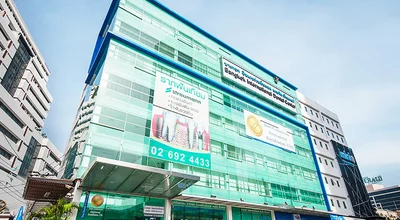
Bangkok International Dental Center
Thailand's first JCI-accredited dental center with more than 70 specialist dentists
View hospital profile
Bangkok Smile Dental Clinic
Multi-branch dental group founded in 2003 and the official Thai partner of the Malo All-on-4 network
View hospital profile
Thantakit International Dental Center
Thailand's longest established dental center, operating in Bangkok since 1945 with more than 40 dentists
View hospital profile
Get a Free Dental Quote in Minutes
Tell us what you need and we'll match you with the right specialist and return real clinic quotes.
- Itemised clinic quotes with no hidden fees
- Matched to a dentist experienced in your specific treatment
- Completely free, even if you decide not to go ahead


Rated 5 stars by our patients
The complete guide to Apicoectomy in Thailand
Everything below is for readers who want the full detail: costs broken down, types and techniques, recovery, risks and safety, and planning your trip.
Apicoectomy Dentists & Clinics in Thailand
Apicoectomy is a specialist procedure that requires specific equipment and training. Here is what to look for.
Leading Endodontic Clinics in Bangkok
Our partner clinics have dedicated microsurgical suites with operating microscopes, ultrasonic systems, and CBCT scanners. They are equipped for the precision and magnification that apicoectomy demands. This is not a procedure suited to a standard treatment room.
Specialist Endodontic Surgeons
Our partner surgeons hold postgraduate qualifications in endodontics and perform apicoectomies as a regular part of their practice. They are experienced with both front-tooth and molar cases, including anatomically challenging situations near nerves and sinuses.
What to Look for in a Surgeon
Confirm the surgeon has endodontic specialist training and performs apicoectomies regularly. Ask whether an operating microscope is used for every case. Verify bioceramic root-end filling materials are standard. A surgeon who reviews your CBCT findings with you, discusses prognosis honestly, and mentions root fracture assessment is approaching the procedure correctly.
Understanding Your Results
Apicoectomy results are radiographic and functional. Here is what to expect.
Typical Apicoectomy Results
A successful apicoectomy eliminates the root-tip infection and preserves the tooth. Pain and swelling resolve as the surgical site heals. The dark area on the X-ray around the root tip fills in with bone over three to twelve months, confirming the seal is holding. The tooth continues functioning normally with the existing crown in place.
What Results Can You Expect?
Symptoms resolve within days as the infection is removed. The tooth remains in your mouth with its existing crown undisturbed. Radiographic healing (bone regeneration around the sealed root tip) takes three to twelve months and is confirmed on follow-up X-rays. The success rate is high, which is comparable to initial root canal treatment performed by a specialist.
Apicoectomy Cost in Thailand
Average Cost of Apicoectomy
An apicoectomy in Thailand typically costs between $300 and $600 per tooth, depending on the tooth type, root anatomy, and complexity. Single-rooted front teeth sit at the lower end. Multi-rooted molars and retreatment cases sit higher due to longer operating time and greater anatomical complexity.
Cost Breakdown
The total cost covers the endodontic surgeon's fee, local anaesthesia, CBCT scan, the microsurgical procedure, bioceramic root-end filling material, sutures, post-operative medications, and follow-up appointments. Any crown work is quoted separately if needed.
What Affects the Price?
Tooth type and complexity are the main variables. Front teeth with single roots are faster and less expensive. Molars with multiple roots take longer and cost more. Cases involving thick bone, limited access, or proximity to nerves or sinuses increase complexity and price.
Thailand vs International Price Comparison
Apicoectomy in Thailand costs 60–70% less than equivalent microsurgical treatment in the US ($900–$1,800), Australia (A$850–A$1,650), and UK (£750–£1,500). The savings often make the difference between saving a tooth and extracting it.
Apicoectomy vs Extraction and Implant
When a root-canal-treated tooth keeps flaring up, the real choice is usually between saving it and replacing it. The replacement route is to extract the tooth and fill the gap with a dental implant or a bridge. Both are well-established, and an implant in particular is a strong, long-lasting tooth substitute that can look and function much like the original.
The trade-off is what you give up to get there. Extraction removes a natural tooth that may be perfectly sound apart from the infected root tip, and replacing it is a longer, more involved process: implants need the socket to heal and the post to integrate over several months before the crown goes on, and a bridge means cutting down the healthy teeth on either side. It is also typically more expensive than root-end surgery once the extraction, implant or bridge, and final crown are all counted.
An apicoectomy is the tooth-preserving route. When the CBCT scan shows the tooth is otherwise worth keeping and the root is not fractured, clearing the infection through the bone lets you keep your own tooth and your existing crown, rather than starting over with a replacement. Extraction and an implant remain the sensible fallback if the tooth cannot be saved, but they are not the first move when the natural tooth can still be rescued.1
Types of Apicoectomy
Modern microsurgical apicoectomy is a fundamentally different procedure from the older technique. The difference in equipment, materials, and success rates is significant.
Microsurgical Apicoectomy
The current gold standard. The entire procedure is performed under a surgical operating microscope at 10–25x magnification. Ultrasonic tips prepare a precise root-end cavity. Bioceramic material seals the root end. Success rates are high and tissue trauma is minimal.
- Magnification reveals fractures, extra canals, and anatomy invisible to the naked eye
- Ultrasonic root-end preparation is more conservative and precise than burs
- Bioceramic sealants provide a biocompatible seal superior to older materials
- Best for: all apicoectomy cases: microsurgical technique is the current standard
Traditional Apicoectomy
The earlier technique performed without magnification, using conventional burs and amalgam or glass ionomer for the root-end seal. Less precise, with lower success rates. Largely replaced by the microsurgical approach at specialist centres.
- Historically used before operating microscopes became available
- Higher miss rate for anatomical complexities at the root tip
- Lower long-term success rates compared to microsurgical technique
- Best for: no longer recommended when microsurgical facilities are available
Intentional Replantation (Alternative)
In rare cases where the root tip is surgically inaccessible: such as lower molars close to the inferior alveolar nerve. The tooth is carefully extracted, treated outside the mouth, and replanted into the socket. A niche technique reserved for anatomically challenging situations.
- Reserved for teeth where surgical access carries unacceptable risk
- The tooth is out of the mouth briefly to preserve the root surface cells
- Success depends on atraumatic extraction and prompt replantation
- Best for: posterior teeth with root tips in direct contact with the nerve canal
Apicoectomy Techniques
The equipment and materials used during apicoectomy directly determine the outcome. Here is what the microsurgical approach involves.
Surgical Operating Microscope
The microscope provides 10–25x magnification and co-axial illumination of the surgical site. The surgeon can visualise the cut root surface, identify extra canals and isthmuses, detect micro-fractures, and assess the quality of the root-end seal: none of which is possible without magnification.
- Essential for identifying anatomical features invisible to the naked eye
- Co-axial lighting eliminates shadows in the surgical field
- Allows precise assessment of the root-end seal before closure
- Best for: every apicoectomy. The microscope defines the microsurgical approach
Ultrasonic Root-End Preparation
Ultrasonic tips prepare the root-end cavity along the canal axis, which is impossible with a conventional bur due to access limitations. The resulting cavity is smaller, more centred, and more conservative than one prepared with rotary instruments.
- Prepares the cavity along the natural canal axis for optimal seal
- Smaller, more conservative preparation than conventional bur techniques
- Reduced risk of perforating thin root walls
- Best for: all root-end preparations: ultrasonic technique is the gold standard
Bioceramic Root-End Filling Materials
Materials such as mineral trioxide aggregate (MTA) and Biodentine seal the root end with a biocompatible barrier that stimulates bone healing around it. These materials have largely replaced amalgam, which was the older standard. The biological seal they produce is a major reason microsurgical success rates are high.
- Biocompatible materials that stimulate bone regeneration around the sealed root
- Superior sealing properties compared to older amalgam or glass ionomer materials
- Set in the presence of moisture, which matters in a surgical environment
- Best for: every apicoectomy. Bioceramic materials are the current standard sealant
Piezoelectric Bone Surgery (Piezosurgery)
Piezosurgery uses ultrasonic vibrations to cut bone while leaving the adjacent soft tissue, nerves, and blood vessels untouched. The surgeon uses it to make the small bone window over the root tip and to resect the root end, in place of a conventional rotary bur. The selective cutting action means less trauma, cleaner bone margins, and a more comfortable recovery, and it is particularly valued near anatomical structures like the inferior alveolar nerve or the sinus floor.
- Cuts bone precisely while sparing nerves, vessels, and soft tissue nearby
- Useful for the bone window and root resection near the nerve or sinus
- Tends to mean less swelling and a more comfortable early recovery
- Best for: cases where the root tip sits close to a nerve or the maxillary sinus
Apicoectomy Recovery Timeline
Day 1
Mild swelling and discomfort around the surgical site. Apply ice packs intermittently and take prescribed medication. Avoid chewing on the treated side. Light bleeding may occur and resolves within hours.
Days 2–3
Swelling peaks then begins subsiding. Continue ice application and gentle salt-water rinses after meals. Over-the-counter pain relief is usually sufficient. Brush and floss the rest of your mouth as normal, but keep the brush and floss off the suture and gum-incision site itself, cleaning those neighbouring teeth gently to avoid disturbing the flap.
Days 5–7
Sutures are checked or removed at your follow-up. Swelling and tenderness have largely resolved. Once the sutures are out or dissolved you can resume gentle brushing and light flossing directly over the site, easing back to your normal routine as it feels comfortable. A periapical X-ray confirms the root-end filling is positioned correctly and the surgical site is healing.
Months 3–6
Bone gradually fills in around the sealed root tip, visible on follow-up X-rays. Complete radiographic healing may take up to 12 months. The tooth functions normally throughout with no restrictions.
When Can You Fly After an Apicoectomy?
Most patients can fly home three to five days after an apicoectomy, once the follow-up confirms the surgical site is healing well. The procedure involves a small incision in the gum and bone work around the root tip, so a few days of monitored recovery is sensible before travelling. Cabin pressure does not affect the healing site.
When Can You Eat and Drink Normally?
Stick to soft foods and avoid chewing on the treated side for the first three to five days while the gum incision heals. Cold foods can help with comfort in the first 24 hours. Once the sutures dissolve or are removed at your follow-up, you can gradually return to normal eating. Most patients eat without restriction within a week.
When Will You See Final Results?
The infected root tip is removed and sealed during the procedure, so the source of infection is eliminated immediately. Gum tissue heals within one to two weeks. Bone regeneration around the root-end filling takes three to six months and is confirmed on follow-up X-rays. Success rates with microsurgical technique are high.
Anaesthesia for Apicoectomy
An apicoectomy is performed under local anaesthetic, the same kind used for a filling or a root canal, so you stay fully awake and aware throughout.1 The surgeon numbs the gum and bone around the affected tooth, and once the area is fully numb you feel pressure and movement but no pain. There is no general anaesthetic and no overnight stay: it is a straightforward outpatient appointment lasting 45 to 90 minutes.
If you tend to feel anxious in the dental chair, conscious sedation can be arranged on top of the local anaesthetic to keep you calm and relaxed while you remain awake and able to respond. Most patients do not need it, but your surgeon can discuss the option at consultation and decide what suits you. Your CBCT scan and a short health review beforehand check that the numbing and any sedation are safe alongside your medications.
During surgery you feel nothing sharp, just the sensation of the area being worked on. Afterwards the numbness wears off over a few hours, and the discomfort that follows is usually mild, typically less than a surgical extraction, and well controlled with over-the-counter pain relief, ice packs in the first day, and gentle salt-water rinses.
Risks and Safety of Apicoectomy
Microsurgical apicoectomy has a strong safety and success profile when performed by an endodontic specialist with proper equipment and materials.
- Temporary swelling and bruising at the surgical site
- Mild post-operative discomfort managed with standard pain medication
- Temporary numbness of adjacent soft tissue from local nerve proximity
- Lip, chin, or gum numbness or tingling from inferior alveolar nerve disturbance during lower back-tooth surgery (usually temporary, rarely prolonged or permanent)3
- Sinus communication with upper back teeth (manageable if identified)
- Failure to heal: root fracture or persistent pathology (uncommon)
- Need for extraction if the apicoectomy does not succeed
A detailed review of your CBCT scan clarifies prognosis and any anatomical considerations that may affect the outcome. This is discussed before surgery so you can make an informed decision about proceeding.
Is Apicoectomy Safe in Thailand?
Yes. Apicoectomy is a well-established microsurgical procedure performed under local anaesthesia as an outpatient. Our partner endodontic surgeons use operating microscopes, ultrasonic instruments, and bioceramic materials that match the standard at leading centres internationally. The procedure is significantly less invasive than extraction and implant placement.
How to Ensure the Best Outcome
Ensure the surgeon uses an operating microscope. This is the single most important factor in apicoectomy success. Verify bioceramic materials are used for the root-end seal rather than older amalgam. Ask about the CBCT scan findings, specifically whether the root shows signs of fracture. A fractured root will not respond to apicoectomy, and an honest surgeon will tell you that upfront.
What If the Apicoectomy Fails?
If healing does not occur, the options are re-surgery or extraction followed by implant placement. Failure is uncommon with microsurgical technique. Success rates are high. The prognosis is discussed honestly before the procedure so you can weigh the likelihood of success against the alternative of extraction from the start.
Planning Your Trip to Thailand for Apicoectomy
Apicoectomy fits into a five-to-seven-day trip. Here is how to plan it.
How Long to Stay in Thailand
Plan for five to seven days. Day one covers the CBCT scan and consultation. The procedure is performed on day two or three. A follow-up appointment around day five or six checks sutures and confirms healing. If you are combining apicoectomy with other dental work, the schedule is adjusted accordingly.
What Is Included in a Dental Trip
Your care coordinator arranges the consultation, CBCT scan, procedure, and follow-up. The treatment quote covers the surgeon's fee, CBCT imaging, anaesthesia, the microsurgical procedure, bioceramic materials, medications, and follow-up. Flights and accommodation are separate.
Combining with Other Treatments
Apicoectomy is often combined with other dental work during the same trip: crowns, bridges, implant consultations, or general check-ups. Since recovery from apicoectomy is mild, other non-surgical dental treatments can usually proceed on adjacent days without conflict.
Related Procedures
Other procedures that address similar goals or conditions, in case one of them is a closer fit for you.
Planning your treatment in Thailand
Independent guides to help you weigh the decision, before you commit to anything.
Common Questions About Apicoectomy
Everything you need to know before your procedure

Medical References
Keep researching with AI
Open this guide in your AI assistant to dig deeper and ask the questions it didn't answer.
Opens in a new tab with this guide already loaded.
Medical disclaimer: This information is for educational purposes only and does not replace professional dental advice. Individual results, recovery times, and suitability vary. Always consult a qualified dentist before making decisions about treatment.
Ready to Get Started?
Speak with our care coordinators for a free, no-obligation consultation and personalised quote.
Speak to Our Team