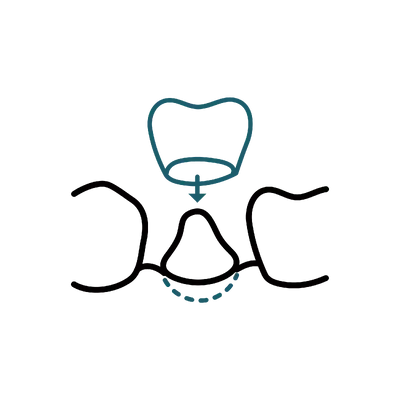
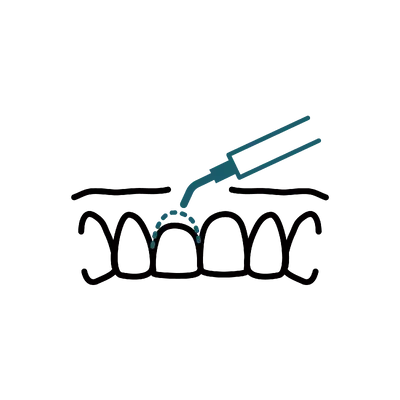
Orthognathic Surgery in Thailand Your guide to cost, top dentists & hospitals
Correcting jaw alignment changes how everything works: your bite, your breathing, your profile. The difference is structural.
What Is Orthognathic Surgery?
Also known as: Jaw Surgery · Orthognathic Osteotomy
Orthognathic surgery is corrective jaw surgery that repositions the upper jaw, the lower jaw, or both by cutting the bone, moving it into a planned position, and fixing it with small titanium plates and screws1,2. It treats skeletal problems braces alone cannot fix, such as a severe underbite or overbite, a jaw that sits too far forward or back, difficulty chewing or closing the lips, and sometimes obstructive sleep apnoea linked to a narrow airway.1 The bone heals in place, so the change lasts for life, and every cut is made inside the mouth, leaving no external scars.
Your jaw is yours alone, so the plan is built around your exact bite, profile and airway. A 3D scan simulates every movement on screen before surgery, and your surgeon walks you through it so you can see what is changing and why.
It helps to know this is the middle step of a longer journey. Braces usually come first, with your orthodontist at home, and fine-tuning continues afterwards. Whether it suits you is confirmed once your imaging and bite plan are reviewed.
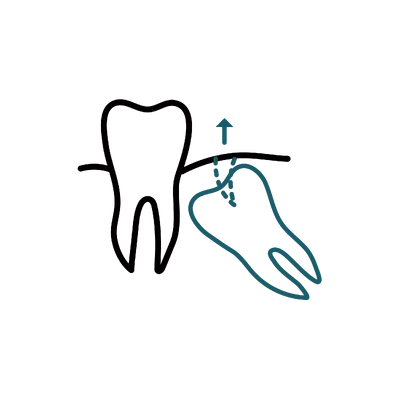
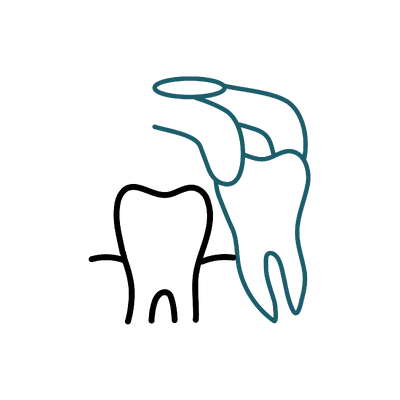
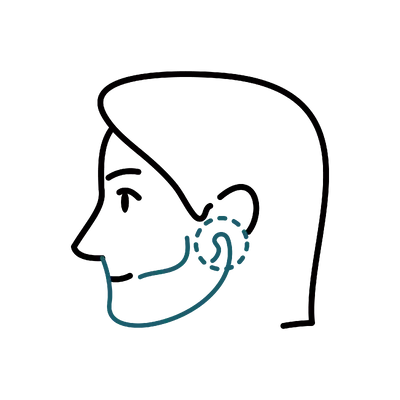
It can address a range of concerns, including:
Am I a Good Candidate for Orthognathic Surgery?
Jaw surgery suits adults with a confirmed skeletal discrepancy beyond orthodontic correction, once growth is complete and the preparation work is done.
Jaw position must be stable before it is surgically repositioned, so timing matters more here than for almost any dental procedure.
Growth completed: Surgeons operate only once jaw growth has finished, typically from age 18. Repositioning a jaw that is still growing risks the result shifting.
A confirmed skeletal problem: Imaging must show the discrepancy sits in the bone, not just the teeth. Cases orthodontics can finish alone do not need surgery.
No upper age cut-off: Healthy adults are assessed on fitness for general anaesthesia and bone healing rather than on age itself.
Surgery is the middle step of a longer plan, and surgeons will not operate until the orthodontic groundwork is in place.
Pre-surgical braces completed: Teeth are aligned within each jaw over 12-18 months with your orthodontist at home, so the bite fits once the jaws are repositioned.
A finalised bite plan: Every millimetre of movement is simulated with virtual surgical planning before you travel. Cutting the preparation short compromises the bite result.
Follow-up commitment: Orthodontic fine-tuning continues with your home orthodontist for months after surgery, and the result depends on seeing it through.
This is major surgery under general anaesthesia, so your medical picture is reviewed as closely as your bite.
Fit for general anaesthesia: Good general health is a baseline requirement for a 2-4 hour operation with a hospital stay.
Conditions under control: Uncontrolled diabetes or autoimmune disease can slow bone healing and needs medical management before surgery is scheduled.
Medications reviewed: Blood thinners are stopped two weeks before surgery only with your prescriber's approval, and bleeding disorders need review first.
Smoking stopped: Surgeons ask you to quit at least four weeks before surgery to protect bone healing.
The result is permanent and often transformative, but the recovery asks a lot of you for several weeks.
A demanding diet phase: Liquids for the first two weeks, then pureed and soft foods through week six. You need to be genuinely ready to manage that.
Swelling hides the result: The new profile emerges as swelling resolves over three months, with final soft-tissue settling taking six to twelve.
A long stay: Plan for 14-21 days in Thailand covering planning, two to three nights in hospital, and follow-up before you fly home.
Who is not suitable for orthognathic surgery?
- Jaw growth not yet complete, typically under age 18
- Pre-surgical orthodontics unfinished or a bite plan not yet finalised
- A bleeding disorder or anticoagulant use not reviewed by your prescriber
- Uncontrolled diabetes or autoimmune disease until brought under control
- Smoking, unless stopped at least four weeks before surgery
- Active gum disease or a current dental infection, which must be treated before surgery as surgeons will not cut through infected tissue
- Previous radiation therapy to the jaw or neck, because of the risk of osteoradionecrosis in irradiated bone
- Not ready to manage a liquid and pureed diet for several weeks
Pricing
How Much Will Orthognathic Surgery Cost in Thailand?
What orthognathic surgery costs at accredited hospitals in Thailand, and what your final quote depends on.
Get your exact price
Tell us what you're considering and we'll send a personalised quote from accredited hospitals within 24 hours.
Get my free quoteTypical prices in Thailand
Typical ranges based on recent hospital quotes. Your exact price depends on the hospital and how complex your case is, and is confirmed at your teleconsultation.
Orthognathic Surgery
Whether one jaw or both need moving is decided by your bite and facial proportions rather than by budget, and it is the single biggest thing separating the prices below.
| Single-jaw surgery, upper or lower One jaw repositioned to correct how your bite meets | $5,000 to $6,500 ฿170,000 to ฿221,000 |
| Bimaxillary surgery, both jaws Upper and lower jaws moved in the same operation | $7,000 to $8,500 ฿238,000 to ฿289,000 |
| Bimaxillary surgery with genioplasty Both jaws moved and the chin reshaped to balance the profile | $8,500 to $10,000 ฿289,000 to ฿340,000 |
Get your exact price
Tell us what you're considering and we'll send a personalised quote from accredited hospitals within 24 hours.
Clinics Trusted for Orthognathic Surgery
From internationally accredited flagships to dedicated specialist clinics, these are the kinds of facilities where international patients have this procedure.
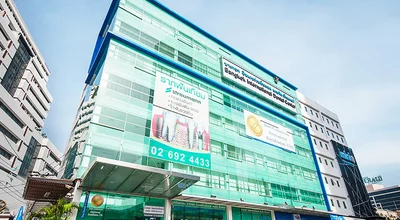
Bangkok International Dental Center
Thailand's first JCI-accredited dental center with more than 70 specialist dentists
View hospital profile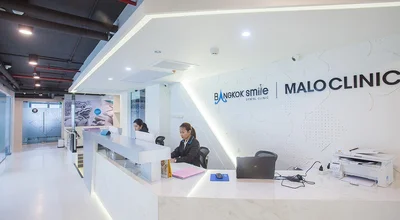
Bangkok Smile Dental Clinic
Multi-branch dental group founded in 2003 and the official Thai partner of the Malo All-on-4 network
View hospital profile
Thantakit International Dental Center
Thailand's longest established dental center, operating in Bangkok since 1945 with more than 40 dentists
View hospital profile
Get a Free Dental Quote in Minutes
Tell us what you need and we'll match you with the right specialist and return real clinic quotes.
- Itemised clinic quotes with no hidden fees
- Matched to a dentist experienced in your specific treatment
- Completely free, even if you decide not to go ahead


Rated 5 stars by our patients
The complete guide to Orthognathic Surgery in Thailand
Everything below is for readers who want the full detail: costs broken down, types and techniques, recovery, risks and safety, and planning your trip.
Orthognathic Surgeons & Clinics in Thailand
Orthognathic surgery demands a specialist surgeon, a hospital-grade facility, and digital planning technology. Here is what to look for.
Leading Hospitals in Bangkok
Our partner hospitals, including JCI-accredited institutions with dedicated maxillofacial departments, have operating theatres equipped for orthognathic surgery, in-house 3D planning suites, and post-operative care units with experienced nursing staff. These are not clinics; they are full-scale hospitals that handle complications in-house.
Experienced Maxillofacial Surgeons
Our partner surgeons are board-certified by the Thai Board of Oral and Maxillofacial Surgery. Many have trained internationally (fellowships in South Korea, Japan, or the US) and returned to Thailand where surgical volume is high. The combination of international training and high case volume produces reliable, consistent outcomes.
What to Look for in a Surgeon
Board certification in oral and maxillofacial surgery is non-negotiable. Ask specifically about their orthognathic case volume and whether they use 3D virtual surgical planning with custom guides. Review before-and-after photos of cases similar to yours: same jaw problem, similar skeletal type. A surgeon who walks you through the virtual plan on screen is one who takes precision seriously.
Understanding Your Results
Orthognathic surgery produces permanent structural changes. Here is what a realistic outcome looks like.
Typical Orthognathic Surgery Results
The bite aligns properly, the facial profile balances, and functional problems resolve. Patients with severe underbite see the lower jaw brought back into harmony. Those with receding chins gain projection and proportion. Sleep apnoea patients experience measurable airway improvement. The changes are skeletal and permanent. The jaws do not move back.
What Results Can You Expect?
Visible improvement emerges as swelling resolves over the first three months. The final facial shape is apparent by six months. Bite alignment is typically excellent from the immediate post-operative period, with orthodontic fine-tuning completing the detail. The combination of functional improvement and facial balance is what makes this procedure genuinely transformative for patients who have lived with severe malocclusion.
Orthognathic Surgery Cost in Thailand
Average Cost of Orthognathic Surgery
Orthognathic surgery in Thailand typically costs between $5,000 and $10,000, depending on whether one or both jaws are involved and the complexity of the case. Single-jaw procedures sit at the lower end. Bimaxillary osteotomy with virtual surgical planning sits at the higher end. The price includes the surgeon's fee, hospital stay, anaesthesia, and fixation hardware.
Cost Breakdown
The total cost covers the maxillofacial surgeon's fee, general anaesthesia, hospital stay with nursing care, 3D imaging and virtual surgical planning, custom cutting guides and pre-bent plates, titanium fixation hardware, post-operative medications, and follow-up appointments. Pre-surgical orthodontic treatment is separate and typically completed at home.
What Affects the Price?
The main variables are single-jaw versus bimaxillary surgery, the complexity of the virtual surgical plan, and the hospital chosen. Bimaxillary surgery costs more because it is a longer operation involving two jaw segments. Cases requiring segmental osteotomy or genioplasty (chin surgery) alongside the main procedure add to the total.
Thailand vs International Price Comparison
Orthognathic surgery in Thailand costs 60–80% less than the same procedures in the US ($15,000–$30,000), Australia (A$14,000–A$27,500), and UK (£12,500–£25,000). Even after adding flights, accommodation, and a three-week stay, patients typically save $10,000–$20,000 on a bimaxillary case.
Jaw Surgery vs Orthodontics Alone
The main alternative to jaw surgery is orthodontic camouflage: using braces or clear aligners on their own to tilt the teeth and disguise a mild skeletal discrepancy without moving the jaws. For a small overbite or underbite, this can deliver a good bite and a result that holds, with no surgery, no general anaesthetic, and no hospital stay.
What it cannot do is change where the jaw bones actually sit. Orthodontics moves teeth, not the skeleton, so it does not correct a protruding or receding jaw, restore facial balance in profile, or open a restricted airway. Pushed too far on a genuine skeletal case, camouflage can leave teeth over-tilted and unstable, and any aesthetic improvement is limited to the smile rather than the jawline.
When imaging confirms the discrepancy sits in the bone rather than the teeth, as covered earlier on this page, orthognathic surgery is the route that lastingly corrects the bite, the profile, and the airway together. Braces still play a part either side of it, but the jaws themselves can only be repositioned surgically, and that is what the rest of this page covers.
Types of Orthognathic Surgery
Which jaw moves, and in which direction, depends on where the skeletal problem sits. Virtual surgical planning determines the precise movements needed before you enter the operating room.
Le Fort I Osteotomy (Upper Jaw)
The maxilla is separated from the skull base through a horizontal bone cut above the upper teeth roots. It is repositioned forward, backward, upward, or downward and secured with titanium plates. All incisions are intraoral: no external scars. Can include segmental widening if needed.
- Corrects upper jaw excess, deficiency, or asymmetric cant
- Can widen a narrow upper jaw simultaneously with a segmental approach
- All incisions inside the mouth with no visible external scarring
- Best for: midface deficiency, gummy smile, open bite, or upper jaw asymmetry
Bilateral Sagittal Split Osteotomy (Lower Jaw)
The mandible is split along its natural planes behind the last molar on each side. The tooth-bearing segment is advanced or set back to its correct position and fixed with titanium plates. The most common procedure for correcting lower jaw underbite or recession.
- The standard approach for lower jaw advancement or setback
- Computer-planned movements ensure precise, predictable bite correction
- Performed entirely through intraoral incisions with no visible scars
- Best for: underbite, receding chin, lower jaw asymmetry, or mandibular excess
Bimaxillary Osteotomy (Both Jaws)
Both the upper and lower jaws are repositioned in a single surgery. This is the approach for complex cases where moving one jaw alone would compromise the result. It produces the most dramatic improvement in both function and facial aesthetics.
- Achieves optimal balance when a single-jaw procedure would not be sufficient
- Standard approach for severe class III malocclusion and obstructive sleep apnoea
- Combined surgery avoids a second operation and consolidates recovery
- Best for: complex skeletal discrepancies affecting both jaws, or sleep apnoea treatment
Genioplasty (Chin Osteotomy)
The chin point is separated through a horizontal cut along the lower jaw and repositioned forward, backward, upward, or sideways, then fixed with a titanium plate. It refines chin projection and facial proportion and is frequently combined with jaw repositioning in the same operation, since correcting the bite does not always bring the chin into balance on its own. Like the other osteotomies, every incision is intraoral.
- Repositions the chin point to balance the lower face and profile
- Commonly added to single-jaw or bimaxillary surgery to complete facial harmony
- Performed through intraoral incisions with a low-profile titanium plate
- Best for: a recessed or asymmetric chin alongside jaw correction, or for profile balance
Orthognathic Surgery Techniques
The precision of modern orthognathic surgery depends on digital planning and custom surgical hardware. Thailand's maxillofacial units use the same systems as leading centres globally.
3D Virtual Surgical Planning
Cone-beam CT data is loaded into planning software that creates a three-dimensional model of the skull. The surgeon simulates jaw movements on screen, adjusting position until the bite, profile, and airway are optimal. Custom cutting guides and pre-bent plates are manufactured from the plan and shipped to the hospital before surgery.
- Every millimetre of jaw movement is planned digitally before the operating room
- Custom surgical guides eliminate freehand guesswork during bone cutting
- Pre-bent titanium plates fit precisely to the planned position
- Best for: all orthognathic cases. Digital planning is the current standard of care
Titanium Fixation and Rigid Stabilisation
The repositioned jaw segments are secured with titanium miniplates and screws that hold the bone in its new position while it heals. The plates are low-profile, biocompatible, and rarely need removal. They provide rigid fixation that allows earlier jaw function during recovery.
- Rigid fixation eliminates the need for wired-shut jaws in most cases
- Titanium is biocompatible and integrates without causing rejection
- Low-profile plates are not visible or palpable through the skin
- Best for: every orthognathic procedure. Rigid fixation is the standard
Maxillomandibular Advancement for Sleep Apnoea
Both jaws are advanced forward by 8–12mm to permanently enlarge the airway behind the tongue. This is the most effective surgical treatment for obstructive sleep apnoea, with success rates exceeding 85%. It eliminates the need for CPAP in most patients who undergo it.
- Permanently enlarges the airway by advancing the skeletal framework
- Success rates above 85% for eliminating moderate to severe sleep apnoea
- Eliminates CPAP dependence for most patients
- Best for: obstructive sleep apnoea patients who have failed CPAP or oral appliance therapy
Orthognathic Surgery Recovery Timeline
Days 1–3
You remain in hospital with IV fluids, antibiotics, and pain management. Facial swelling is significant and peaks around day three. Light elastic bands guide the new bite position. A liquid diet begins immediately and progresses to pureed foods as tolerated.
Weeks 1–2
Swelling reduces noticeably. Follow-up appointments monitor healing and adjust elastic bands. Gentle jaw exercises may begin to improve opening range. Continue pureed and soft foods. Most patients feel well enough for short outings by the end of week one.
Weeks 3–6
Months 3–6
Bone healing is well advanced and the jaws are stable in their new position. Orthodontic fine-tuning continues with your home orthodontist. The last traces of swelling fade. Bone remodelling carries on quietly for 9–12 months total.
When Can You Fly After Orthognathic Surgery?
Plan to stay in Thailand for at least two to three weeks after jaw surgery. Swelling is significant in the first week, and your surgeon needs to monitor bone stability, wound healing, and jaw function through several follow-up appointments before clearing you to fly. Cabin pressure is not a concern, but you need to be well enough to manage a long flight comfortably.
When Can You Eat and Drink Normally?
You will be on a liquid-only diet for the first two weeks while the jaw heals in its new position, progressing to soft blended foods over weeks three to six2. Chewing resumes gradually as your surgeon confirms bone stability, typically around six to eight weeks post-surgery. Full, unrestricted eating usually returns within three to four months.
When Will You See Final Results?
The jaw is repositioned during surgery, so the structural change is immediate: but swelling obscures the result for the first several weeks. Most swelling resolves by three months, giving a clear sense of the new profile. Final soft-tissue settling and full functional adaptation take six to twelve months.
Anaesthesia for Jaw Surgery
Orthognathic surgery is always performed under general anaesthesia, so you are fully asleep and feel nothing during the operation.1,2 Because the surgeon works inside the mouth and repositions the jaw bones, a breathing tube is used to keep the airway protected throughout. A consultant anaesthetist stays with you for the whole procedure and monitors you continuously, which is standard at the JCI-accredited hospitals we work with.
This is hospital surgery, not a dental-clinic procedure, so before you are cleared you have a full pre-operative assessment: blood tests, a review of your medical history and any medication, and the cone-beam imaging that already forms part of your surgical plan. Your anaesthetist confirms you are fit for a general anaesthetic and a two to three night hospital stay before the date is set.
You feel nothing while the jaws are moved and fixed. When you wake, discomfort is controlled with IV pain relief in hospital and oral medication once you are back at your hotel. Most patients find the swelling, numbness, and weeks of liquid and soft food harder to live with than actual pain, which is usually well managed throughout recovery.
Risks and Safety of Orthognathic Surgery
Orthognathic surgery is major surgery performed under general anaesthesia. Complication rates are low when performed by experienced maxillofacial surgeons with proper 3D planning, but understanding the risks is essential.
- Temporary lip or chin numbness from nerve stretching (most common, resolves in weeks to months)1
- Prolonged facial swelling lasting several weeks
- Post-operative infection at the surgical site (rare with antibiotic prophylaxis)
- Minor jaw relapse over time (minimised by rigid fixation and proper planning)
- Temporary limited mouth opening during the early healing phase
- Titanium plate requiring removal due to irritation (uncommon)
- Unfavourable bone split during lower jaw surgery (bone fractures along an unplanned plane intraoperatively, managed with additional fixation)
- Condylar resorption causing late bite relapse months to years later (rare, most often after lower jaw advancement in younger women)
- Devitalised tooth or root resorption next to an osteotomy cut (uncommon, may need root canal treatment)
Every case-specific risk is identified through the pre-surgical assessment (3D imaging, medical history review, and bite analysis) and discussed fully before surgery is scheduled.
Is Orthognathic Surgery Safe in Thailand?
Yes, when performed at a JCI-accredited hospital by a board-certified maxillofacial surgeon with 3D virtual planning. Our partner hospitals maintain the same surgical standards, infection-control protocols, and anaesthesia monitoring as leading centres in the US, UK, and Australia. They have ICU backup and handle orthognathic cases regularly.
How to Reduce Your Risk
Choose a JCI-accredited hospital with a dedicated maxillofacial unit, not a dental clinic. Verify your surgeon is board-certified in oral and maxillofacial surgery specifically. Confirm that 3D virtual surgical planning with custom guides is part of the surgical protocol. Complete your pre-surgical orthodontic preparation thoroughly before travelling: cutting this short compromises the bite result.
What About Nerve Numbness?
Temporary numbness of the lower lip and chin is the most common side effect of lower jaw surgery. Some altered sensation affects roughly 70 to 90 percent of patients in the early weeks, because the inferior alveolar nerve runs through the bone that is cut. In the vast majority of cases, sensation returns fully within three to six months. Permanent numbness is uncommon, affecting roughly 1 to 5 percent of patients with experienced surgeons and proper technique.
Planning Your Trip to Thailand for Orthognathic Surgery
Orthognathic surgery requires the longest stay of any dental procedure. Here is how to plan for it.
How Long to Stay in Thailand
Plan for 14–21 days. This covers pre-operative imaging and consultation, two to three nights in hospital after surgery, and multiple follow-up appointments to monitor healing, adjust elastic bands, and confirm you are safe to fly home. A longer stay gives more recovery time and greater confidence before a long-haul flight.
What Is Included in a Medical Trip
Your care coordinator manages hospital booking, surgeon communication, pre-operative scheduling, and all post-operative follow-up. The surgical quote covers the surgeon's fee, anaesthesia, hospital stay, 3D planning and custom hardware, titanium plates, post-operative medications, and follow-up appointments. Flights, accommodation, and pre-surgical orthodontics are separate.
Recovery in Bangkok
The first week is dedicated to recovery: hospital stay followed by rest at your hotel near the hospital. Swelling peaks around day three and then progressively improves. By week two, most patients manage short outings. Staying close to the hospital for the full duration is important because follow-up visits are frequent and your surgeon needs access to you if anything requires attention.
Related Procedures
Other procedures that address similar goals or conditions, in case one of them is a closer fit for you.
Planning your treatment in Thailand
Independent guides to help you weigh the decision, before you commit to anything.
Common Questions About Orthognathic Surgery
Everything you need to know before your procedure

Medical References
Keep researching with AI
Open this guide in your AI assistant to dig deeper and ask the questions it didn't answer.
Opens in a new tab with this guide already loaded.
Medical disclaimer: This information is for educational purposes only and does not replace professional dental advice. Individual results, recovery times, and suitability vary. Always consult a qualified dentist before making decisions about treatment.
Ready to Get Started?
Speak with our care coordinators for a free, no-obligation consultation and personalised quote.
Speak to Our Team