Same-Day Crowns in Thailand Your guide to cost, top dentists & hospitals
Walk in with a damaged tooth, walk out the same day with a permanent crown. That is what modern dentistry looks like.
What Is a Same-Day Crown?
Also known as: CEREC Crown · CAD · CAM Crown
A same-day crown is a ceramic cap that restores a damaged tooth by being digitally designed and milled in the clinic during one appointment. A scanner wand captures the prepared tooth in 3D, CAD/CAM software shapes the crown on screen to match your bite, and a milling unit cuts it from a ceramic block.1 It is then stained, glazed, and cemented, so the whole visit takes roughly 1.5 to 2.5 hours. Because the crown is permanent from the start, there is no temporary, no putty impression, and no second visit.
Needing a crown abroad on a short trip can feel like a tight squeeze, and this approach removes exactly that worry. Your dentist scans the tooth and designs the crown while you wait, often checking the shape on screen first. One round of numbing, one day.
For most single teeth, same-day crowns match lab-made crowns closely on fit, strength, and longevity. The honest exception is a highly visible front tooth, where hand-layered lab work can still look more lifelike, though some partner clinics now offer that finish same-day through an in-house lab. Your dentist will advise which route suits you.
It can address a range of concerns, including:
Am I a Good Candidate for Same-Day Crowns?
Most individual teeth that need a crown qualify; the real assessment is whether your case fits the single-visit chairside workflow.
Chairside milling is built for individual crowns, not for every restoration.
Single teeth, front or back: Most individual crowns can be scanned, designed, milled and cemented in one 1.5-2.5 hour appointment.
No build-up needed first: A tooth requiring a post and core adds a stage that sits outside the same-day workflow.
Not multi-unit work: Connected units and long-span bridges still need a lab-fabricated approach.
Grinders steered to zirconia: Heavy bite forces may make standard milled ceramic less suitable; speed-sintered zirconia same-day crowns cover most of these cases.
Same-day or not, the tooth needs the same foundations as any crown.
Healthy gums around the tooth: Inflammation is treated before preparation so the margin seals against healthy tissue.
No active infection at the root: A periapical infection or abscess is cleared first, usually with root canal treatment, before the tooth is prepared for a crown.
Enough tooth structure for preparation: The crown still needs sound tooth to grip; severely broken-down teeth are assessed for alternatives first, and where too little tooth remains, extraction may be the honest option.
Hygiene to protect the lifespan: The materials match lab-made crowns, so the same 5-15 year expectancy applies with good daily care.
Speed is the gain; for a small group of cases, lab finishing still wins.
Comparable to lab-made crowns: Clinical studies show same-day CAD/CAM crowns perform comparably in fit, strength and longevity for most cases.
Front-tooth aesthetics weighed honestly: Highly visible positions may get a more lifelike result from hand-layered lab work, sometimes available same-day from an in-house lab.
A short trip, not an instant one: Plan 3-5 days so a consultation and a follow-up bite check bracket the single treatment visit.
Who is not suitable for same-day crowns?
- Teeth needing a post and core build-up first
- Active periapical infection or abscess at the root, which must be treated before the tooth can be prepared
- Too little sound coronal tooth structure left to retain a crown, where extraction may be the honest option
- Multi-unit bridges or long-span connected work
- Complex front-tooth aesthetics better served by hand-layered lab crowns
- Heavy grinders are not excluded; standard milled ceramic is unsuitable, so a speed-sintered zirconia same-day crown is used instead
Pricing
How Much Will Same-Day Crowns Cost in Thailand?
What same-day crowns costs at accredited hospitals in Thailand, and what your final quote depends on.
Get your exact price
Tell us what you're considering and we'll send a personalised quote from accredited clinics within 24 hours.
Get my free quoteTypical prices in Thailand
Typical ranges based on recent hospital quotes. Your exact price depends on the hospital and how complex your case is, and is confirmed at your teleconsultation.
Same-Day Crowns
These figures are per crown, and the material you choose moves the price more than anything else.
| e.max chairside crown, per crown Designed, milled and fitted in one visit, strong and natural looking | $400 to $550 ฿13,600 to ฿18,700 |
| Zirconia same-day crown, per crown The tougher option if you grind your teeth or bite heavily | $500 to $700 ฿17,000 to ฿23,800 |
| In-house lab-finished crown, per crown Hand-finished by a ceramist for front teeth, still done the same day | $600 to $800 ฿20,400 to ฿27,200 |
Get your exact price
Tell us what you're considering and we'll send a personalised quote from accredited clinics within 24 hours.
Clinics Trusted for Same-Day Crowns
From internationally accredited flagships to dedicated specialist clinics, these are the kinds of facilities where international patients have this procedure.
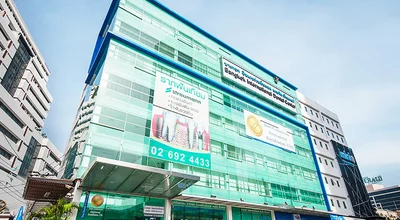
Bangkok International Dental Center
Thailand's first JCI-accredited dental center with more than 70 specialist dentists
View hospital profile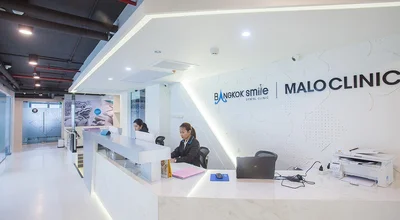
Bangkok Smile Dental Clinic
Multi-branch dental group founded in 2003 and the official Thai partner of the Malo All-on-4 network
View hospital profile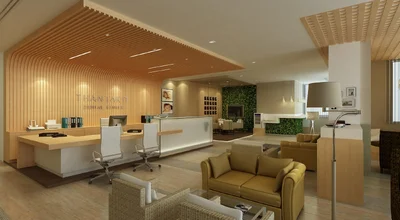
Thantakit International Dental Center
Thailand's longest established dental center, operating in Bangkok since 1945 with more than 40 dentists
View hospital profile
Get a Free Dental Quote in Minutes
Tell us what you need and we'll match you with the right specialist and return real clinic quotes.
- Itemised clinic quotes with no hidden fees
- Matched to a dentist experienced in your specific treatment
- Completely free, even if you decide not to go ahead


Rated 5 stars by our patients
The complete guide to Same-Day Crowns in Thailand
Everything below is for readers who want the full detail: costs broken down, types and techniques, recovery, risks and safety, and planning your trip.
Same-Day Crown Dentists & Clinics in Thailand
Same-day crown quality depends on the equipment, the software version, and the dentist's proficiency with digital workflows. Here is what to look for.
Leading Digital Dentistry Clinics in Bangkok
Our partner clinics have made significant investments in chairside CAD/CAM technology. They operate current-generation scanning and milling systems, maintain calibration schedules, and stock a full range of ceramic blocks. Several have dedicated digital suites where the entire workflow, from scan to cemented crown, happens in a single room.
Experienced CAD/CAM Dentists
Our partner dentists are trained and certified on the specific CAD/CAM systems they use. Proficiency with digital design software matters; an experienced operator produces better marginal fit, more accurate bite contacts, and more natural contour than someone learning the system. Case volume is a reliable proxy for proficiency.
What to Look for in a Clinic
Ask which CAD/CAM system they use and how many same-day crowns they produce per week. A high-volume digital clinic will have refined its workflow to produce consistently accurate results. Check whether they offer staining and glazing as part of the process; this adds aesthetic depth that plain milled ceramic lacks.
Understanding Your Results
Same-day crown results are visible immediately. Here is what to expect.
Typical Same-Day Crown Results
A same-day crown restores the tooth to its original shape, strength, and function within hours. Modern ceramic blocks come in a range of shades and translucencies that match natural teeth well. With staining and glazing, the colour and surface texture closely replicate the surrounding teeth. Clinical studies confirm that fit, strength, and survival rates are comparable to traditionally fabricated crowns.
What Results Can You Expect?
You leave the clinic with a permanent, fully functional crown cemented in place. There is no interim period with a temporary, no waiting, and no second visit. The result is stable from day one. For back teeth, the outcome is essentially identical to a lab-made crown. For front teeth in highly visible positions, a lab-finished same-day crown with hand-staining delivers the best aesthetic result.
Same-Day Crown Cost in Thailand
Average Cost of Same-Day Crowns
A same-day CAD/CAM crown in Thailand typically costs between $400 and $800, depending on the material and the complexity of the case. A standard e.max chairside crown sits at the lower end. Same-day zirconia and cases requiring in-house lab finishing sit higher. The per-crown cost decreases if you are having multiple teeth done.
Cost Breakdown
The total cost covers the consultation, digital scan, computer-aided design, milling of the ceramic crown, staining and glazing, fit adjustment, and cementation. There is no separate laboratory fee because everything is done in-house. The dentist's time and the cost of the ceramic block are the two largest components.
What Affects the Price?
Material is the primary variable. Standard e.max blocks cost less than layered or translucent zirconia. Front-tooth crowns requiring hand-staining for aesthetic depth cost more than a straightforward back-tooth crown. Some clinics charge a premium for in-house lab finishing if you want ceramist-level aesthetics on the same day.
Thailand vs International Price Comparison
Same-day crowns in Thailand cost 60–70% less than the same procedure in the US ($1,200–$2,400), Australia (A$1,100–A$2,200), and UK (£1,000–£2,000). The technology and materials are identical; the price difference reflects Thailand's lower operating costs.
Crown vs Inlay, Onlay or Filling
If the tooth is only partially damaged, a less invasive restoration may do the job. A composite or ceramic filling rebuilds a smaller cavity, while an inlay or onlay is a custom-made ceramic piece that restores a larger portion of the biting surface without capping the whole tooth. Inlays and onlays can be milled chairside on the same CAD/CAM systems used for crowns, so they preserve more of your natural tooth than a full crown does.
The deciding factor is how much sound tooth is left. A filling needs healthy walls to bond to and can fail or fracture if the cavity is large, and an inlay or onlay still relies on enough surrounding structure to support it. Once a tooth is cracked through, heavily filled, root-treated, or missing a cusp, a partial restoration is working against forces it was not designed to take, and the long-term result is usually a re-fracture.
A full crown is the right route when the tooth needs all-round protection: it wraps the whole tooth, holds a weakened or root-treated tooth together, and restores full strength and shape. Your dentist assesses how much structure remains and will recommend the most conservative option that will actually last, which is what the rest of this page covers.
Types of Same-Day Crowns
Same-day crown technology has matured to the point where the results rival traditional lab-made crowns. The choice comes down to the system and material used.
CEREC Same-Day Crowns
The most established chairside CAD/CAM system worldwide. CEREC handles scanning, design, and milling in one integrated platform. Most clinics mill from e.max or similar lithium disilicate blocks, producing crowns with good strength and aesthetics in about 60–90 minutes.
In-House Digital Lab (Same-Day)
Some clinics in Thailand have on-site digital labs that can mill, layer, and finish a crown within hours. The dentist scans digitally and the lab produces the crown the same day, combining chairside speed with laboratory refinement. Useful for patients wanting better aesthetics than standard chairside milling delivers.
- Lab-quality finishing with same-day turnaround
- Option for layered zirconia or hand-stained ceramics
- More aesthetic refinement than pure chairside milling
- Best for: visible front teeth where same-day timing and premium aesthetics are both needed
Zirconia Same-Day Crowns
Some systems now mill from pre-sintered zirconia blocks that are sintered in a speed oven the same day. Zirconia is the strongest crown material and suits patients who grind or need back-tooth restorations that handle heavy force. Sintering adds processing time but the crown is still delivered within hours.
- Maximum strength for patients with heavy bite forces or bruxism
- Speed-sintering technology reduces what was once a multi-day process to hours
- Excellent durability and resistance to chipping1
- Best for: back teeth and patients with grinding habits who need maximum material strength
Same-Day Crown Techniques
The workflow behind a same-day crown determines the quality of the outcome. Here is how the technology works and what separates a good result from a great one.
Intraoral Digital Scanning
A handheld wand captures thousands of images of the prepared tooth and surrounding teeth in seconds. The software stitches these into a precise three-dimensional model. No gagging, no putty, and the data is available immediately for crown design. Accuracy exceeds conventional impressions.
- Comfortable and fast; most scans take two to three minutes
- Instant data availability for crown design with no waiting for impression material to set
- Higher marginal accuracy than traditional putty impressions
- Best for: all same-day cases. This is the mandatory first step in the digital workflow
Software-Guided Crown Design
CAD software uses the scan data to design the crown shape, contour, and bite contacts. The dentist adjusts the design on screen in real time, checking occlusion, emergence profile, and marginal fit before the milling starts. This pre-visualisation step is a major advantage over analogue methods.
- Real-time adjustments before any material is cut
- Bite contact points are calculated from opposing tooth scan data
- Design can be reviewed with the patient on screen for transparency
- Best for: every same-day crown. The design phase is where accuracy is locked in
Chairside Milling and Finishing
The milling unit cuts the crown from a ceramic block in approximately 10–15 minutes. After milling, the crown is polished, stained or glazed for colour matching, and fired if needed. The dentist checks the fit intraorally, makes any final adjustments, and cements the crown.
- Milling takes 10–15 minutes from a single ceramic block
- Staining and glazing add surface characterisation for a more natural look
- Cementation immediately follows, no temporary crown phase
- Best for: completing the single-visit workflow. The final step before the crown is permanent
Adhesive Bonding vs Conventional Cementation
How the finished crown is fixed to the tooth is a technique choice in its own right, not an afterthought. Lithium disilicate (e.max) crowns are usually adhesively bonded: the tooth and the crown's fitting surface are etched and a resin cement chemically bonds the two, which reinforces the ceramic and seals the margin tightly. Stronger zirconia crowns, and teeth with good retentive shape, can instead be fixed with a conventional cement, which is simpler and more forgiving of moisture. Your dentist matches the method to the material and the tooth.
- Adhesive resin bonding reinforces milled ceramic and seals thin margins
- Conventional cementation suits zirconia or teeth with strong retentive prep
- Bonded margins help reduce leakage and sensitivity on heavily prepared teeth
- Best for: lithium disilicate crowns and shorter or less retentive preparations
Same-Day Crown Recovery Timeline
Day 1
The permanent crown is fitted and cemented during your single appointment. Mild sensitivity to temperature is normal. Local anaesthesia clears in a few hours. Eat soft foods for the rest of the day while the cement fully sets.
Days 2–3
Sensitivity tapers off. Resume eating gradually, working back towards your usual diet. Brush and floss as normal, paying attention to the crown margin. The tooth should already feel like your own.
Days 3–5
At your follow-up, the fit, bite alignment, and gum health are verified. Any minor bite adjustments are made at this visit. Most patients are cleared to travel home at this point.
Weeks 2–4
Gum tissue around the crown reaches its final shape. The crown functions identically to a natural tooth. Good oral hygiene and regular dental check-ups protect the restoration for years to come.
When Can You Fly After a Same-Day Crown?
You can fly home the same day or the day after your crown is placed; the procedure is non-surgical so there are no altitude or healing concerns. Same-day crowns are scanned, milled, and cemented in a single appointment with a brief follow-up the next day to check the bite. Plan a total stay of three to five days so a consultation and that follow-up bracket the single treatment visit.
When Can You Eat and Drink Normally?
You can eat normally within a few hours of the crown being cemented. Mild temperature sensitivity for the first day or two is common and resolves on its own. Because there is no temporary crown stage, you skip the dietary restrictions that come with a temporary altogether.
When Will You See Final Results?
Results are immediate. The permanent crown is designed, milled, and fitted in a single visit, so you leave the chair with the finished restoration. The surrounding gum tissue adapts over two to four weeks, but the crown itself looks and functions like the final result from the moment it is cemented.
Will It Hurt?
A same-day crown is done under local anaesthetic, so you are fully awake throughout but the tooth and the gum around it are completely numb.2 The dentist places the numbing injection before any preparation begins, and once it has taken effect you feel pressure and movement at most, never pain. There is no general anaesthetic and no need to be put to sleep for a single crown.
Because the whole crown is scanned, designed, milled, and cemented in one sitting, you only need numbing once, rather than the second round a traditional two-visit crown would involve. If you tend to feel anxious in the dental chair, ask at your consultation: most of our partner clinics can offer light sedation or simple measures to help you relax, while you stay awake and responsive. Your dentist confirms what suits you before treatment starts.
There is no separate pre-operative assessment for anaesthesia beyond the usual check of your medical history and any medications you take, which your dentist reviews at the consultation. You feel nothing while the tooth is prepared and the crown is fitted. Afterwards the numbness wears off over a few hours, and any mild sensitivity to hot or cold in the first day or two is normal and easily managed with over-the-counter pain relief if you need it.
Risks and Safety of Same-Day Crowns
Same-day crowns are backed by over three decades of clinical data. The technology is mature, the materials are proven, and complication rates are comparable to traditionally fabricated crowns.
- Temporary sensitivity to hot and cold after cementation (usually settles within a couple of weeks)1
- Minor bite adjustment needed after fitting (corrected chairside)
- Ceramic chipping under extreme bite forces (rare with current materials)
- Aesthetic limitations compared to hand-layered lab crowns in complex front-tooth cases
- Crown loosening over time (uncommon, recementation is straightforward)
- Nerve irritation in deeply prepared teeth (very rare)
- Irreversible pulpitis after a deep preparation, where the nerve does not settle and the tooth later needs root canal treatment (uncommon); the single-visit workflow removes the wait-and-see period a two-visit crown allows
Not every case is suited to same-day technology. Heavily damaged teeth needing post-and-core, multi-unit bridges, or complex front-tooth aesthetics may benefit from a lab-finished approach. Your dentist will advise honestly on which route produces the better result for your specific tooth.
Are Same-Day Crowns Safe in Thailand?
Yes. Same-day CAD/CAM crowns are used globally and have a clinical track record exceeding 30 years. Our partner clinics in Thailand use current-generation CEREC and equivalent systems with regularly calibrated milling units. The ceramic materials are the same premium blocks used internationally. Infection control and sterilisation protocols are rigorous.
How to Reduce Your Risk
Verify the clinic uses a current-generation CAD/CAM system, not an outdated model. Ask to see the digital scan and design on screen before milling begins. After cementation, ensure the dentist checks your bite thoroughly with articulating paper and adjusts until contact is even. A follow-up appointment before you fly home catches any issues that emerge in the first 24–48 hours.
When Are Lab-Made Crowns the Better Option?
Same-day crowns handle most single-tooth cases well. Lab-made crowns are the better choice when you need a multi-unit bridge, when the tooth is in a highly visible position and requires hand-layered aesthetics, or when the tooth requires a post-and-core build-up before the crown. Your dentist will be straightforward about which approach serves you better.
Planning Your Trip to Thailand for Same-Day Crowns
Same-day crowns require the shortest stay of any crown procedure. Here is how to plan it.
How Long to Stay in Thailand
A minimum of three to five days is recommended. The crown itself is done in a single appointment, but arriving a day early for the consultation and staying for a follow-up check before departure is sensible. If you are combining same-day crowns with other dental work, your stay may be slightly longer.
What Is Included in a Dental Trip
Your care coordinator schedules the appointment, arranges transfers, and handles communication. The treatment quote covers the consultation, digital scan, crown design, milling, staining, fitting, cementation, and follow-up. Flights and accommodation are arranged separately. Your coordinator can recommend nearby hotels and help with logistics.
Making the Most of a Short Trip
Because the crown is completed in a single visit, you have significant free time during your stay. Many patients use same-day crown trips to explore Bangkok, combine treatment with other dental work they have been putting off, or simply enjoy a short holiday knowing their dental issue is resolved.
Related Procedures
Other procedures that address similar goals or conditions, in case one of them is a closer fit for you.
Planning your treatment in Thailand
Independent guides to help you weigh the decision, before you commit to anything.
Common Questions About Same-Day Crowns
Everything you need to know before your treatment

Medical References
Keep researching with AI
Open this guide in your AI assistant to dig deeper and ask the questions it didn't answer.
Opens in a new tab with this guide already loaded.
Medical disclaimer: This information is for educational purposes only and does not replace professional dental advice. Individual results, recovery times, and suitability vary. Always consult a qualified dentist before making decisions about treatment.
Ready to Get Started?
Speak with our care coordinators for a free, no-obligation consultation and personalised quote for your same-day crown.
Speak to Our Team