Porcelain Veneers in Thailand Your guide to cost, top dentists & hospitals
The right veneers do not announce themselves; they just make your smile look the way it should have all along.
What Is a Porcelain Veneer?
Also known as: Dental Veneers · Dental Porcelain Laminate
Porcelain veneers are thin, custom-made ceramic shells, usually 0.3 to 0.7mm thick, bonded permanently to the front of each tooth. In one coordinated treatment they can change the colour, shape, size and spacing of your teeth and tidy up minor alignment. The ceramic is shade-matched so it catches the light like natural enamel.
Most cases take two to three visits over about a week. Under local anaesthetic the dentist removes a very thin layer of enamel, takes impressions, and fits temporary veneers while a lab hand-builds the final set from pressed ceramic such as E-max. At the last visit the permanent veneers are bonded, shaped and polished to suit your smile.
Because that layer of enamel cannot grow back, veneers are a long-term commitment, so they suit healthy teeth and gums and a clear idea of the look you want. Designed to appear natural rather than obviously "done", and with good care they typically last 10 to 15 years before they need replacing1.
It can address a range of concerns, including:
Am I a Good Candidate for Porcelain Veneers?
Dentists weigh three things before recommending veneers: the health of your teeth and gums, your enamel, and how your bite behaves.
Veneers bond to enamel and sit against the gum, so both have to be sound before any preparation begins.
Sufficient enamel thickness: Around 0.3-0.7mm of enamel is removed for standard preparation. Enamel that is already very thin or worn limits the safe preparation depth.
Healthy gums and no decay: Untreated decay or active gum disease is resolved before cosmetic work; veneers are never placed over active problems.
Settled tooth positions: If you are considering future orthodontic work, it comes first, because moving teeth afterwards would undo the veneer positioning.
Veneers are the right tool when the problems are colour, shape and minor position all at once.
Staining beyond whitening: Discolouration that bleaching cannot fix is one of the most common reasons patients are good candidates.
Chips, wear and irregular shapes: Worn-down, short or unevenly shaped front teeth are corrected in a single coordinated treatment.
Minor gaps and crowding only: Small alignment issues are well within range. Significant misalignment is better corrected with orthodontics before any veneer plan.
Porcelain is strong but brittle under point loading, so your bite habits weigh heavily in case selection.
Grinders need a plan: Untreated bruxism chips veneers over time, so heavy grinders must commit to a custom night guard. Severe grinding may point toward a different treatment entirely.
Bite analysis before any drilling: Bite assessment, gum checks and X-rays are completed before a single tooth is prepared.
Daily habits count: Nail-biting, ice-chewing and opening packets with your teeth cause most chips, and dentists ask about them honestly.
The commitment is permanent and cyclical, and a good dentist confirms you understand both before preparing teeth.
Irreversible by design: The removed enamel does not grow back, so your teeth will always need veneers or another restoration afterwards.
A 10-15 year cycle: Veneers last 10-15 years with care, then need replacing. It is worth budgeting for that cycle from the start.
Shade is fixed at consultation: Porcelain cannot be whitened after bonding, so whiten your natural teeth first and choose the shade you intend to keep.
Who is not suitable for porcelain veneers?
- Untreated decay or active gum disease until resolved
- Heavy grinding or clenching with no plan to wear a night guard
- Very thin or worn enamel that limits safe preparation depth
- Planned future orthodontic work that would undo the veneer positioning
- Anyone wanting a reversible treatment, since the enamel removal is permanent
Pricing
How Much Will Porcelain Veneers Cost in Thailand?
What porcelain veneers costs at accredited hospitals in Thailand, and what your final quote depends on.
Get your exact price
Tell us what you're considering and we'll send a personalised quote from accredited clinics within 24 hours.
Get my free quoteTypical prices in Thailand
Typical ranges based on recent hospital quotes. Your exact price depends on the hospital and how complex your case is, and is confirmed at your teleconsultation.
Porcelain Veneers
These are per-tooth prices, so a full upper smile of eight to ten veneers multiplies up accordingly.
| CAD/CAM milled veneers, per tooth Digitally designed and machine-cut, with a consistent fit and quick turnaround | $250 to $400 ฿8,500 to ฿13,600 |
| E-Max pressed veneers, per tooth Strong pressed ceramic that looks very good, a solid all-round choice | $350 to $450 ฿11,900 to ฿15,300 |
| Feldspathic porcelain veneers, per tooth Built up by hand for the most natural translucency, but thinner and more delicate | $400 to $500 ฿13,600 to ฿17,000 |
Get your exact price
Tell us what you're considering and we'll send a personalised quote from accredited clinics within 24 hours.
Clinics Trusted for Porcelain Veneers
From internationally accredited flagships to dedicated specialist clinics, these are the kinds of facilities where international patients have this procedure.
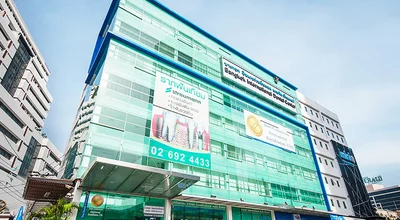
Bangkok International Dental Center
Thailand's first JCI-accredited dental center with more than 70 specialist dentists
View hospital profile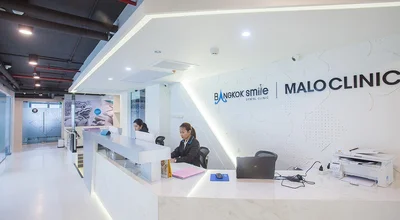
Bangkok Smile Dental Clinic
Multi-branch dental group founded in 2003 and the official Thai partner of the Malo All-on-4 network
View hospital profile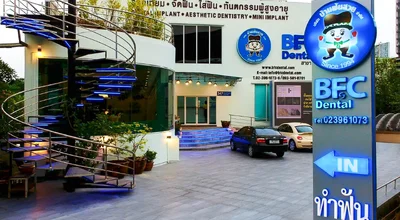
BFC Dental
Implant-focused Bangkok dental clinic founded in 1994, placing more than 4,600 implants a year
View hospital profile
Get a Free Dental Quote in Minutes
Tell us what you need and we'll match you with the right specialist and return real clinic quotes.
- Itemised clinic quotes with no hidden fees
- Matched to a dentist experienced in your specific treatment
- Completely free, even if you decide not to go ahead


Rated 5 stars by our patients
The complete guide to Porcelain Veneers in Thailand
Everything below is for readers who want the full detail: costs broken down, types and techniques, recovery, risks and safety, and planning your trip.
Porcelain Veneer Dentists & Clinics in Thailand
The quality of your veneers depends on two things: the dentist preparing and bonding them, and the lab fabricating them. Here is what to prioritise when choosing.
Leading Dental Clinics in Bangkok
Our partner clinics operate from purpose-built facilities with dedicated cosmetic dentistry departments, in-house digital scanners, and relationships with Thailand's top dental laboratories. These are not general practice clinics adding cosmetic work on the side; they are set up specifically for high-volume veneer and restoration cases, with equipment and workflows that reflect that focus.
Experienced Veneer Dentists
Our partner dentists hold Thai Dental Council registration and many have completed advanced training in cosmetic and restorative dentistry through international programmes. What separates them is volume: they place more veneers in a month than many Western dentists do in a year. That repetition builds the kind of precision and speed that directly benefits the patient.
What to Look for in a Veneer Dentist
Ask for before-and-after photos of actual cases, not stock images. Check which lab they use and what material brands they work with. Read reviews on independent platforms. Pay attention during the consultation: a good cosmetic dentist will discuss what is achievable with your specific teeth, not just show you a gallery of ideal results and tell you that will be you.
Understanding Your Results
Porcelain veneer results are visible immediately after bonding. Here is what to expect and what a realistic outcome actually looks like.
Typical Porcelain Veneer Results
Veneers correct colour, shape, spacing and minor alignment in one treatment. The most common improvements are eliminating discolouration that whitening cannot fix, evening out unequal tooth lengths, closing gaps, and creating a consistent smile line. A good result looks like you were simply born with better teeth; the ceramic should be undetectable to anyone who does not know.
What Results Can You Expect?
You see the finished result the moment the permanent veneers are bonded. There is no waiting for swelling to subside or healing to complete. What you see in the mirror at the bonding appointment is your result. The consultation is where you confirm shade, shape and proportions, so use that appointment to ask direct questions and make sure you and the dentist agree on the plan before any enamel is removed.
Porcelain Veneer Cost in Thailand
Average Cost of Porcelain Veneers
Porcelain veneers in Thailand typically cost $250–$500 per tooth, depending on the fabrication method, material and clinic. Digitally milled veneers sit at the lower end, while hand-layered feldspathic and layered cut-back work command a premium for the extra skilled labour involved. A full set of 8–10 upper veneers usually comes in at $2,000–$5,000, a fraction of the equivalent cost in most Western countries.
Cost Breakdown
The total price covers several components. The dentist's fee covers consultation, tooth preparation, temporary veneers and the bonding appointment. Laboratory fabrication is the next biggest cost, and this is where material choice matters most. Follow-up visits for bite adjustment and polishing are typically included. Some clinics bundle a digital smile design session into veneer packages.
What Affects the Price?
Fabrication method is the biggest variable. Hand-layered feldspathic porcelain costs more than pressed or milled work because a master ceramist builds each veneer up by hand, which takes far more skilled labour time; pressed E-Max sits in the middle, and digitally milled veneers are the most efficient to produce. The number of teeth treated affects the total but usually brings the per-unit price down. Complex cases needing gum contouring or bite correction before veneer placement add to the overall cost.
Thailand vs International Price Comparison
Porcelain veneers in Thailand cost 60–70% less per tooth than equivalent treatment in the US ($750–$1,500), Australia (A$700–A$1,400), and UK (£650–£1,250). The price difference reflects lower operating costs in Thailand, not lower material or clinical standards. Our partner clinics use the same ceramic systems and bonding protocols as leading practices internationally.
Veneers vs Bonding and Whitening
If your only concern is colour, professional teeth whitening is the less-invasive starting point. It lifts staining on natural enamel without removing any tooth structure, but it cannot change shape, close gaps, or fix chips, and the result fades over time and needs topping up. Composite bonding goes a step further: a tooth-coloured resin is sculpted directly onto the tooth in a single visit to repair a chip, close a small gap, or reshape an edge, usually with little or no drilling, so it stays largely reversible.
The trade-offs are durability and finish. Composite typically lasts around 5 to 7 years before it needs repair or replacement, it stains and dulls more readily than ceramic, and it is harder to make a full set look uniform. Whitening and bonding both ask for more maintenance over their lifetime, and neither can correct several teeth at once into one even, lasting smile line the way a ceramic set can.
Porcelain veneers are the route when you want a complete change held over the long term: stain-resistant ceramic, shade-matched across the whole smile, correcting colour, shape, spacing and minor alignment together in one coordinated treatment that typically lasts 10 to 15 years. That permanence comes from removing a thin layer of enamel, so it suits cases where the result needs to last and look consistent rather than a single small repair, which is what the rest of this page covers.
Types of Porcelain Veneers Available
Not all porcelain veneers use the same material or fabrication process. The right choice depends on what you are correcting, how many teeth are involved, and whether aesthetics or durability is the bigger priority.
Feldspathic Porcelain Veneers
Handcrafted layer by layer by a master ceramist, feldspathic veneers offer the finest aesthetic control. They can be made extremely thin while replicating the subtle colour shifts found in natural enamel. The trade-off is lower flexural strength than pressed ceramics.
- Superior translucency and lifelike colour blending for front teeth
- Can be fabricated as thin as 0.3 mm, preserving more enamel
- Requires a highly skilled ceramist for optimal results
- Best for: anterior teeth where aesthetics matter more than bite force
Pressed Ceramic Veneers (E-Max)
Lithium disilicate pressed under high heat into a precision mould. Denser and roughly twice as strong as feldspathic porcelain, with excellent translucency. This is the most popular veneer material in Thailand and suits the widest range of cases.
- Flexural strength around 400 MPa, significantly more durable than traditional porcelain
- Consistent thickness and reliable marginal fit across multiple units
- Excellent balance of aesthetics and structural performance
- Best for: patients wanting premium results across both front and side teeth
CAD/CAM Milled Veneers
Digitally designed from intraoral scans and precision-milled from a solid ceramic block. The process removes human variability and can reduce turnaround time. Some clinics offer same-day fabrication for smaller cases.
- Digitally designed for precise, repeatable fit
- Faster lab turnaround than handcrafted methods in some cases
- Strong marginal integrity from computer-controlled milling
- Best for: patients prioritising efficiency or needing a large number of units
Porcelain Veneer Techniques
Technique choice comes down to how much enamel needs removing, what the lab is fabricating, and how the veneers are bonded. Here is what is commonly used and when each approach applies.
Traditional Prep Veneers
A thin layer of enamel (0.3–0.7 mm) is removed from the front of each tooth to create space for the veneer. This is the standard approach for most cases and allows the ceramist full control over shade, shape and contour without adding bulk.
- Provides room for optimal ceramic thickness and colour masking
- Allows correction of moderate misalignment and discolouration
- Most predictable long-term bond strength
- Best for: patients with significant colour or shape changes needed
Minimal-Prep Veneers
Only 0.1–0.3 mm of enamel is removed, or in some cases none at all. Ultra-thin porcelain or E-Max shells are bonded directly. This preserves more tooth structure but limits how much correction is possible.
- Preserves maximum natural enamel and keeps the process more conservative
- Often requires no anaesthesia due to minimal drilling
- Not suitable for severely discoloured or protruding teeth
- Best for: teeth already well-aligned that need subtle colour or shape refinement
Layered Cut-Back Technique
A pressed E-Max core is partially cut back and layered with handcrafted feldspathic porcelain by the ceramist. This combines structural strength with the highest level of aesthetic detail, useful for the most visible front teeth.
- E-Max core handles structural load while porcelain delivers lifelike surface detail
- Maximum aesthetic customisation for the most demanding cases
- Longer lab time and higher cost than standard pressed veneers
- Best for: upper central incisors and lateral incisors where every detail matters
Digital Smile Design
(link: procedures/cosmetic-dentistry/digital-smile-design text: Digital Smile Design) is a planning workflow rather than a veneer material. The dentist takes intraoral scans, photos and video of your face and smile, then designs the proposed shape, length and proportions on screen before any enamel is touched. The plan is often turned into a trial smile you can see in your own mouth, so you approve the look in advance and the lab fabricates to an agreed blueprint.
- Plans tooth shape and proportions against your face and lips, not just the teeth
- Lets you preview and approve the design before any enamel is removed
- Improves communication between you, the dentist and the laboratory
- Best for: anyone wanting to see and sign off the result before committing
Porcelain Veneer Recovery Timeline
Day 1
Brief sensitivity to hot and cold is normal after bonding. Avoid very hard or sticky foods for the first 24 hours while the bonding cement reaches full strength. You can return to normal activities straight away.
Days 2–3
Sensitivity fades as your teeth adjust. Your bite settles into the new contours. Continue eating carefully and avoid biting directly into hard items like apples or crusty bread.
Week 1
A follow-up appointment confirms the bite is balanced and the gum tissue is healthy around each veneer. By now the veneers feel indistinguishable from your own teeth. Normal diet resumes with sensible precautions.
Ongoing
Care for veneers the same way you would natural teeth: brushing twice daily, flossing, and attending regular check-ups. Avoid using your teeth to open packaging and wear a night guard if you clench or grind. With consistent care, porcelain veneers typically last 10–15 years before needing replacement.
When Can You Fly After Porcelain Veneers?
Most patients can fly home 7–10 days after their first appointment, once the permanent veneers have been bonded and a follow-up check confirms everything is seated properly. Flying is completely safe at this stage; cabin pressure has no effect on bonded veneers. Some patients prefer to stay an extra day or two for reassurance.
When Can You Return to Normal Eating?
You can eat normally within a few days of bonding. The first 24 hours call for softer foods while the cement fully cures. After that, resume your normal diet but use common sense: avoid biting directly into ice, hard nuts or bone. Porcelain is strong but brittle under point-loading, just like natural enamel.
When Can You Exercise or Return to the Gym?
Right away. Veneers involve no surgery, no stitches and no sedation in standard cases, just local anaesthetic at the preparation visit, so there is no recovery time to wait out. You can go to the gym or resume exercise the same day as either appointment. If you play contact sport or do anything where a knock to the mouth is likely, wear a mouthguard to protect the new veneers, the same precaution you would take for natural teeth.
How Long Until Veneers Feel Normal?
Most patients stop noticing the veneers within the first week. There is a brief adjustment period where your tongue registers the slightly different contours, but this passes quickly. If anything feels high or uneven in your bite after a few days, a simple adjustment at a follow-up appointment resolves it.
Will Getting Veneers Hurt?
Porcelain veneers are placed under local anaesthetic, so you stay fully awake and aware throughout. The dentist numbs only the teeth being prepared, and once that has taken effect you feel pressure and movement but no pain while the thin layer of enamel is shaped and the impressions are taken. There is no need to be put to sleep for veneer work, and you can talk to your dentist the whole way through.
Most of the appointment is comfortable enough that anxious patients are surprised by how routine it feels, but if you are nervous, say so at consultation. Many clinics can offer mild sedation or simply work at a slower, gentler pace, and your dentist decides what is appropriate alongside reviewing your medical history. Minimal-prep cases often need no anaesthetic at all, since almost no enamel is removed.
You feel nothing during the preparation itself, and the bonding appointment a few days later is painless and usually needs no numbing. Once the anaesthetic wears off you may notice mild sensitivity to hot and cold for a day or two while the teeth settle, which is normal and eases quickly with over-the-counter pain relief.
Risks and Safety of Porcelain Veneers
Porcelain veneers are a well-established cosmetic treatment with a strong safety record. Complications are uncommon when performed by an experienced cosmetic dentist using quality materials, but you should understand the possibilities before proceeding.
Risk reduction starts with proper case selection and thorough diagnostics before any enamel is touched. Bite analysis, gum health assessment and X-rays are completed first. Every risk listed above should be discussed with your dentist in relation to your specific case.
Are Porcelain Veneers Safe in Thailand?
Yes. Thailand's leading dental clinics hold international accreditation and use the same ceramic systems, bonding agents and sterilisation protocols as top practices in the UK, US and Australia. Our partner dentists are members of the Thai Dental Council and many hold additional cosmetic dentistry credentials from international programmes.
How to Reduce Risks
Choose a clinic with proper accreditation and a dentist with a strong portfolio of veneer cases. Ask to see before-and-after photos of completed work, ideally cases similar to yours. Make sure the clinic uses a reputable dental laboratory; the lab work matters as much as the dentist. A thorough consultation with bite analysis and X-rays before any preparation begins is non-negotiable.
What Happens If a Veneer Fails?
If a veneer chips, debonds or fractures, it can usually be repaired or replaced individually without affecting the rest. Chipping is the most common issue and often results from habits like nail-biting or ice-chewing rather than a material defect. Most clinics offer a warranty period on their veneer work. For ongoing care after returning home, maintain a relationship with a good cosmetic dentist locally.
Planning Your Trip to Thailand for Porcelain Veneers
Most patients need 7–10 days in Thailand for porcelain veneers. Here is how to structure your trip and what is included.
How Long to Stay in Thailand
Plan for 7–10 days minimum. Day one covers your consultation, examination, shade selection and tooth preparation. The lab fabricates your veneers over the next three to five days while you wear temporaries. The final appointment bonds the permanent veneers and includes bite adjustment and polishing. A follow-up a day or two later confirms everything is settled before you fly home.
What Is Included in a Dental Trip
Your care coordinator handles appointment scheduling, clinic transfers and any interpreter support needed. The dental quote covers consultation, preparation, temporaries, lab fabrication, bonding and follow-up visits. Flights and accommodation are arranged separately, but your coordinator can recommend nearby hotels and help with logistics to keep everything convenient.
Combining Dental Work with a Holiday
Many veneer patients use the lab fabrication days (typically three to five) as holiday time. Bangkok offers plenty to do while you wait, and some patients travel to the islands or Chiang Mai between appointments. Just make sure you are back in Bangkok for your bonding appointment and allow a day or two after for the follow-up before flying home.
Related Procedures
Other procedures that address similar goals or conditions, in case one of them is a closer fit for you.
Planning your treatment in Thailand
Independent guides to help you weigh the decision, before you commit to anything.
Common Questions About Porcelain Veneers
Everything you need to know before your treatment

Medical References
Keep researching with AI
Open this guide in your AI assistant to dig deeper and ask the questions it didn't answer.
Opens in a new tab with this guide already loaded.
Medical disclaimer: This information is for educational purposes only and does not replace professional dental advice. Individual results, recovery times, and suitability vary. Always consult a qualified dentist before making decisions about treatment.
Ready to Get Started?
Speak with our care coordinators for a free, no-obligation consultation and personalised quote.
Speak to Our Team